
 az
az ru
ru

 EN
EN RU
RU Advantages of efficient ventilation systems
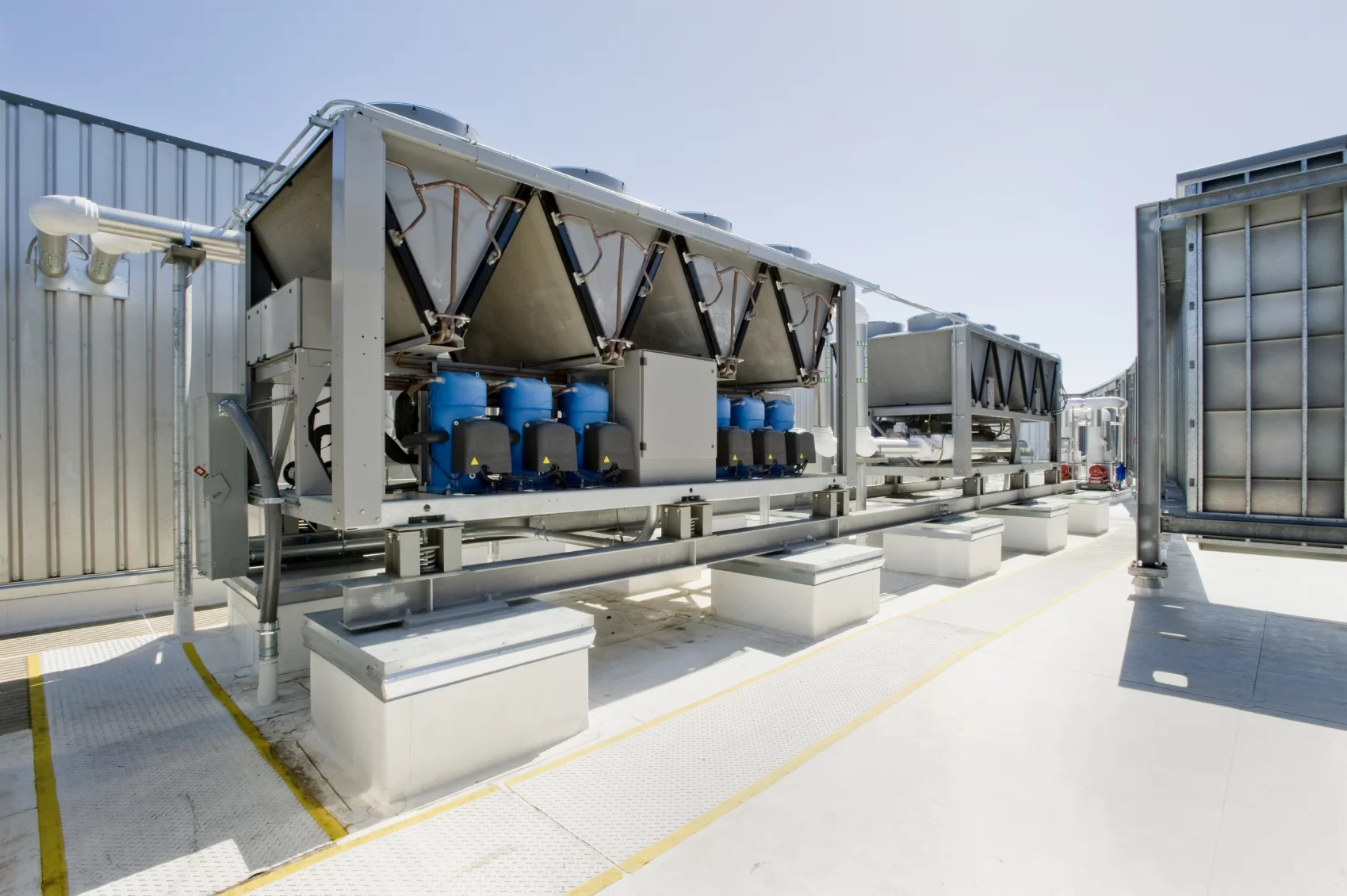
What are ventilation systems?
Ventilation systems are designed to regulate and control the air quality, temperature, and humidity of a building or space in order to create a controlled and comfortable indoor environment. These systems ensure fresh air circulation, remove pollutants, odors, and excess moisture, playing an important role in maintaining a healthy and comfortable living or working environment.
Ventilation systems may vary in complexity and design depending on the specific requirements of the building or space.
Main components of ventilation systems
Air intake:
Fresh outdoor air is introduced into the system through ventilation ducts or openings.
Air filtration:
Incoming air is filtered from dust, pollen, and other particles, improving indoor air quality.
Air mixing and conditioning:
Fresh air is mixed with recirculated indoor air and brought to the desired temperature and humidity level. Heating and air conditioning components operate at this stage.
Distribution:
Conditioned air is distributed throughout the entire space via air ducts, vents, and diffusers.
Exhaust:
Stale air, pollutants, and odors are removed from the indoor environment through exhaust outlets.
Control and automation:
Modern ventilation systems are equipped with smart control and automation technologies for precise regulation of temperature, humidity, and airflow.
Advantages of efficient ventilation systems
-
Improved indoor air quality – pollutants and allergens are removed.
-
Temperature and humidity control – a comfortable indoor environment is ensured.
-
Energy efficiency – properly designed systems optimize energy consumption.
-
Moisture control – prevention of mold and dampness issues.
-
Odor and smoke removal – a clean and pleasant environment is maintained.
Overall, ventilation systems are essential for creating a safe, healthy, and comfortable indoor environment in residential, commercial, and industrial spaces.
Areas of application of ventilation systems
Homes – to improve indoor air quality and create a comfortable living environment.
Office buildings – to ensure employees work in a productive and comfortable environment.
Shopping centers and stores – to maintain customer comfort and air quality.
Restaurants and cafes – to control odors and smoke generated during cooking.
Educational institutions – to create a healthy environment for students and teachers.
Hospitals and medical facilities – for sterile environments and infection control.
Industrial facilities – to remove pollutants generated during production processes.
Sports and entertainment venues – to ensure proper air circulation in crowded spaces.
Hotels and recreation centers – to enhance guest comfort.
Vehicles – to provide clean and comfortable air for passengers.